
Current projects
The Social Brain Toolkit
The Social Brain Toolkit project has developed new online tools to help improve everyday interactions between people with a brain injury and their communication partners. This project is supported by funding from icare NSW, and is being conducted in partnership with the University of Technology Sydney, Brain Injury Australia and Changineers.
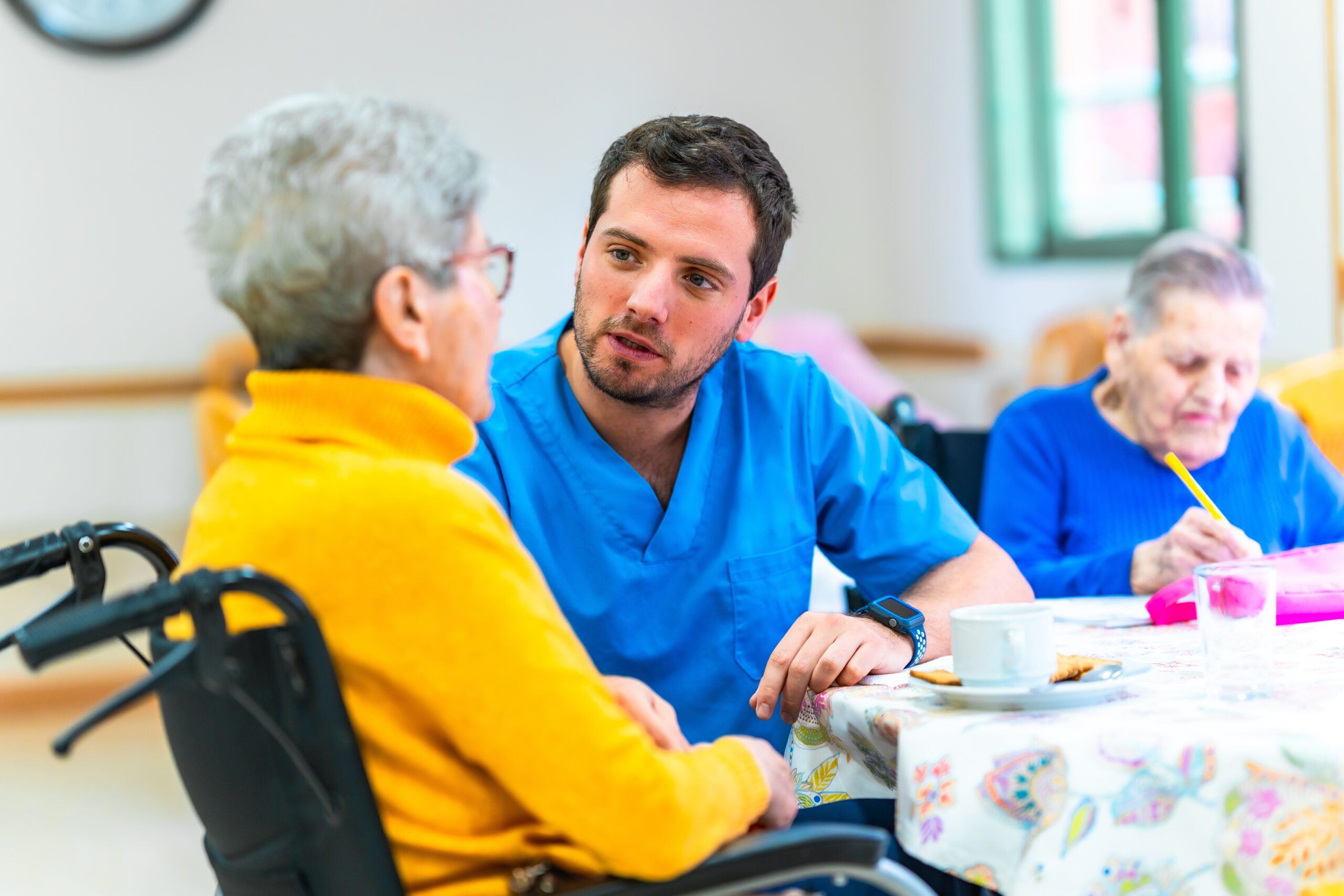
NSW Statewide Brain Injury Telepsychiatry Service
Formerly the icare Brain Injury Psychiatry Program (iBIPP).
The icare Brain Injury Psychiatry program (iBIPP), funded by icare Foundation, was set up in 2019 to build capacity of psychiatrists and clinicians treating people with brain injuries and mental health conditions.
Visit our online resource centre and get regular updates by following @BI_Psychiatry on Twitter.

Communication for Safe Care Project
This project, a collaboration between South Western Sydney and Western NSW Local Health Districts and the University of Sydney funded by a National Disability Insurance Agency Mainstream Capacity Building Grant, aims to improve health care accessibility for people with communication disabilities by supporting teams to implement practical changes that enhance communication, patient engagement, choice and control, and staff satisfaction.
You can contact the Communication for Safe Care Project Officer on [email protected].

TBI Express
Communication training program for traumatic brain injuries TBI Express is a communication-training program for people with traumatic brain injury, their families, friends and carers. About the program A brain injury can result in devastating changes for the person as well as for their family and friends. Sometimes these changes can affect how the person communicates.…

TBI Bank
TBI Bank Grand Rounds is a new educational resource about cognitive-communication disorders after TBI.
To find out more about these resources and how to access them, please contact Dr Elise Bogart on [email protected].

TBIconneCT
Resources for clinicians and families A program designed to help people with traumatic brain injury and their family members, friends or carers have better conversations together. About the program TBIconneCT was based on the original TBI Express program but reduced in length and designed for clinicians to use with individual families. The program: Areas covered…
Get involved
To learn more about our current research projects and opportunities to participate, visit the Opportunities section of our website.
Recent publications
-

Views of speech pathology educators on a learning resource for cognitive-communication disorders: a user survey of TBIBank Grand Rounds
Cognitive-communication disorders are common after traumatic brain injury and significantly affect rehabilitation outcomes. TBIBank Grand…
-
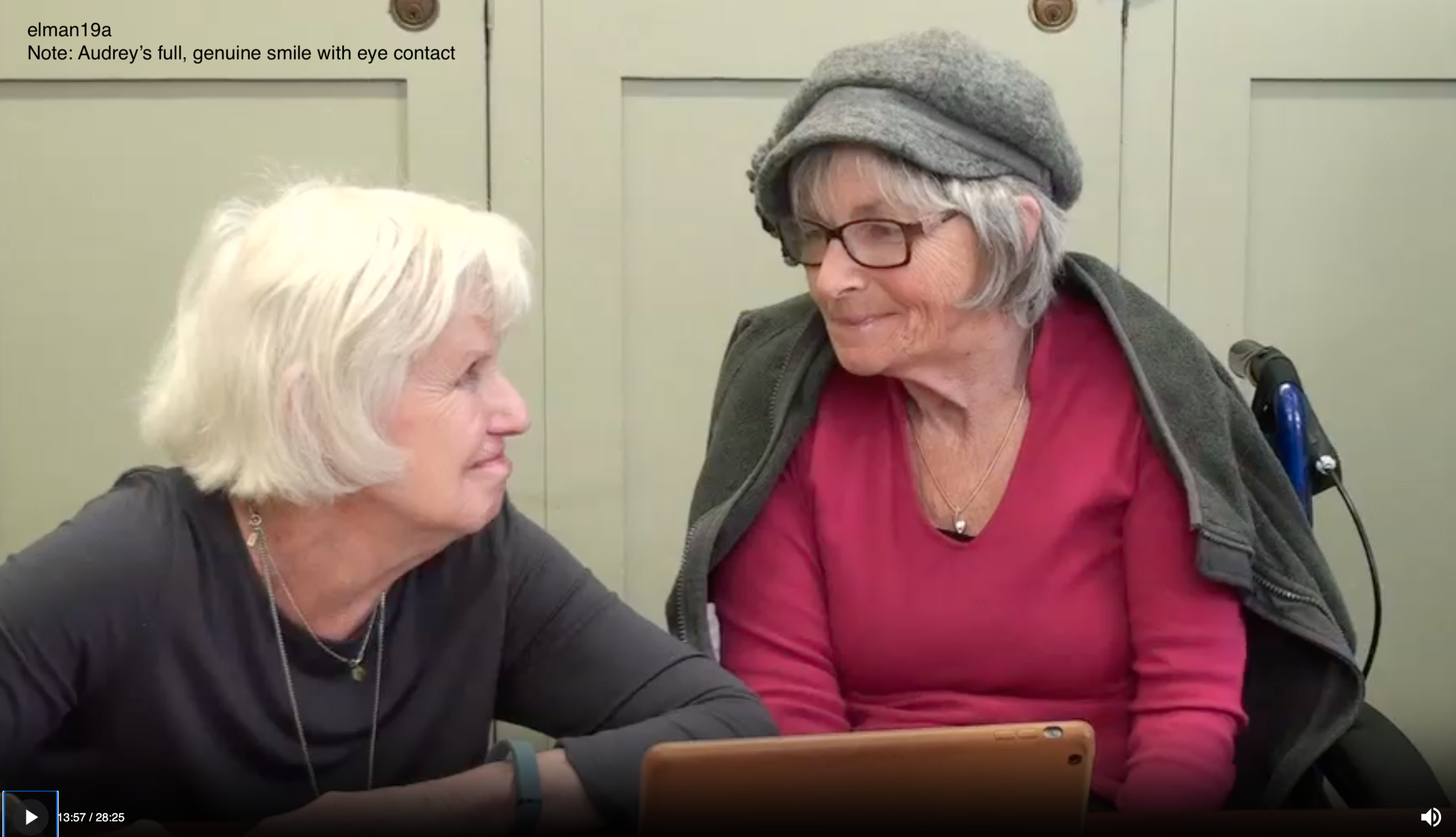
Analyzing the Social Communication of People with Traumatic Brain Injury: The Benefits of Hindsight, Technology Advances, and Professor Audrey Holland’s Wisdom
Professor Audrey Holland is best known for her extraordinary contributions to the field of aphasia…
-

How can co-constructing conversations help people with brain injury?
This study found that co-constructed communication interventions may offer a useful, replicable way to target…